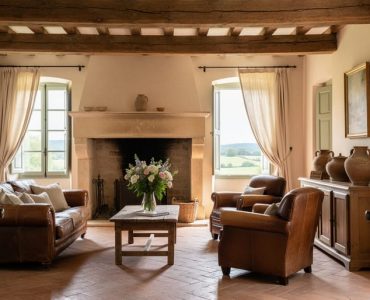
The review question stage is worth your trust, and it earns that trust for one plain reason: it makes every claim answer to a real question before it reaches you. Think of it as the friend who stands in the doorway of your newly painted salon and asks, “But does that linen actually look right in morning light?” Awkward in the moment, invaluable afterward.
It’s best suited to homeowners who’ve been burned by pretty advice that falls apart in a real house. If you’ve ever followed a tidy design tip, only to find it ignored the damp stone walls or the low ceilings of an old farmhouse, you’ll see why a checking step matters. Authenticity isn’t a mood in French country style. It’s a standard, and standards need someone willing to question the details.
Here’s how the stage works, how it held up when we put it through its paces, and where its limits show. We’ll also explain how we judged it, so you can decide for yourself how much weight it deserves, much as a French cook tastes the sauce before it leaves the kitchen, not after it lands on the table.
The Verdict: Why Review Q Earns a Place in Every French Country Guide
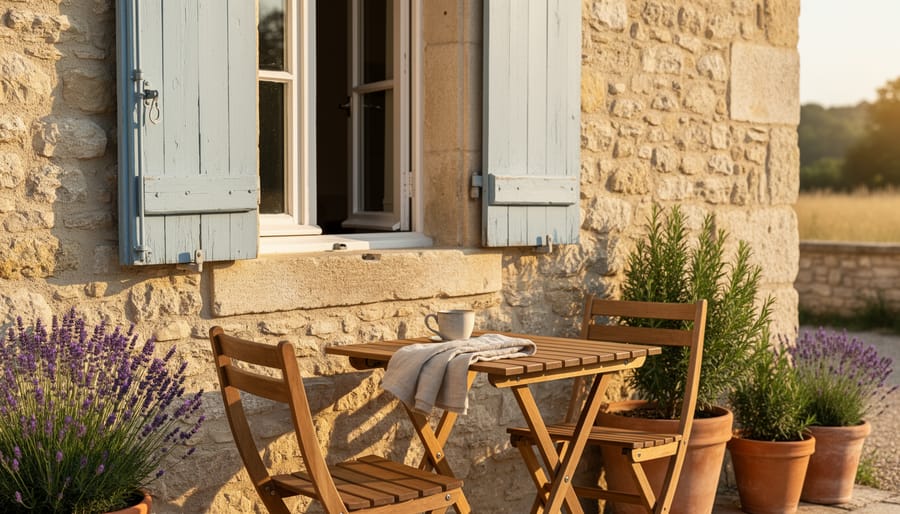
Here’s my verdict: review q earns its place, and I’d rate it four and a half stars out of five for homeowners. It’s the checkpoint where every claim in a draft gets asked a plain question: is this accurate, is it practical, and is it true to French country tradition? What it does best is catch the confident-sounding advice that looks lovely on the page but falls apart on a real wall or floor.
Here’s the story I keep coming back to. An early draft recommended limewash for a cozy farmhouse-style dining room, described as an easy weekend job over any painted wall. When a contractor read it, she asked one simple thing: had anyone checked what was underneath? Limewash needs a porous surface to bond properly, and a glossy modern paint finish would have left readers with peeling, patchy walls. The advice was rewritten to explain preparing the surface, testing a small patch first, and understanding the soft, chalky patine that real limewash develops over time. That small change turned a pretty idea into something a homeowner could actually trust.
Now for the honest limits. Review q can’t predict every regional variation in materials, and product formulations change faster than any single review can follow. It also won’t make a tip right for your particular house, so treat it as a strong foundation rather than a guarantee. Within those limits, it’s the reason this advice feels lived-in rather than lifted from a magazine.
Who Review Q Is For: Homeowners, Decorators, and Weekend Renovators
If you’ve ever stood in a paint aisle holding two shades of “soft linen” and wondered which one is actually right for a French country kitchen, this process was built with you in mind. Content that passes review q has been questioned, tested, and checked against real homes, so you spend less time second-guessing and more time making things.
Here’s who gets the most out of it:
- First-time homeowners get plain, trustworthy guidance without having to sort fact from decorating folklore.
- Budget-conscious renovators see which tips hold up in real life, so money goes toward what works.
- Style comparers weighing French country against farmhouse or cottage get honest differences, not vague generalities.
- DIY planners receive practical steps checked for feasibility, from limewash to furniture restoration.
- Contractors and decorators contribute their field experience and see it shape the final advice.
Think of a weekend renovator planning to refinish an old armoire. They don’t need a romantic mood board; they need to know which finish gives that gentle, worn patine and how long it will realistically take. That’s where verified content earns its keep.
Who might not need it? If you simply love browsing beautiful rooms for a dose of inspiration, with no plans to lift a paintbrush, you can enjoy the pictures and skip the fine print. And that’s perfectly fine. But the moment you decide to try something in your own home, you’ll be glad the advice has already been through the wringer.
How Review Q Works: From First Draft to Verified Advice
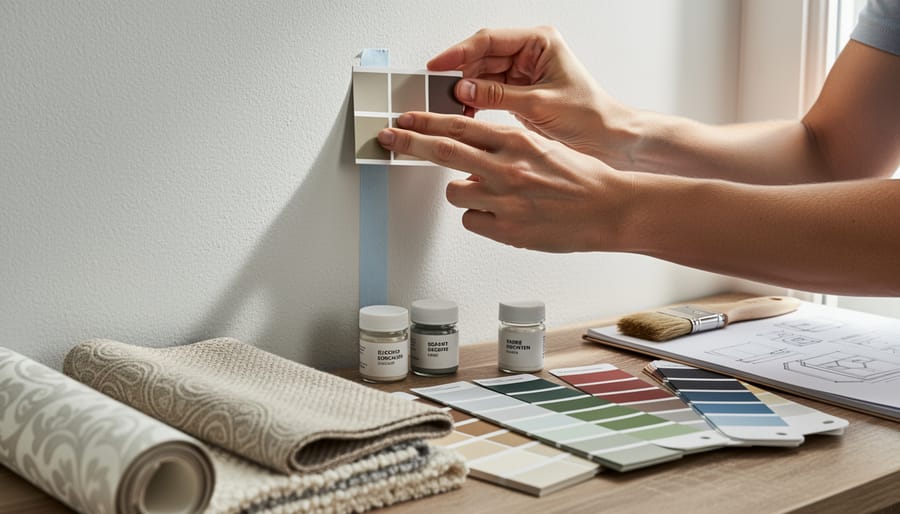
The Questions Every Tip Must Answer
Every piece of advice that reaches review q has to answer four plain questions before it goes anywhere near your home.
First, is it accurate? We check paint types, materials, and techniques against reliable sources and the people who work with them daily. Second, is it practical? A lovely idea that falls apart in a real kitchen, with real children and a real budget, doesn’t make the cut.
Third, is it true to the culture? Good French country decor grows out of rural France, not out of a trend board, so we ask whether a suggestion respects that heritage or merely borrows the look. The core elements should still feel recognisable.
Finally, does it fit an everyday home? Advice earns its place only when an ordinary household can actually use it.
Where Contractors and Decorators Step In
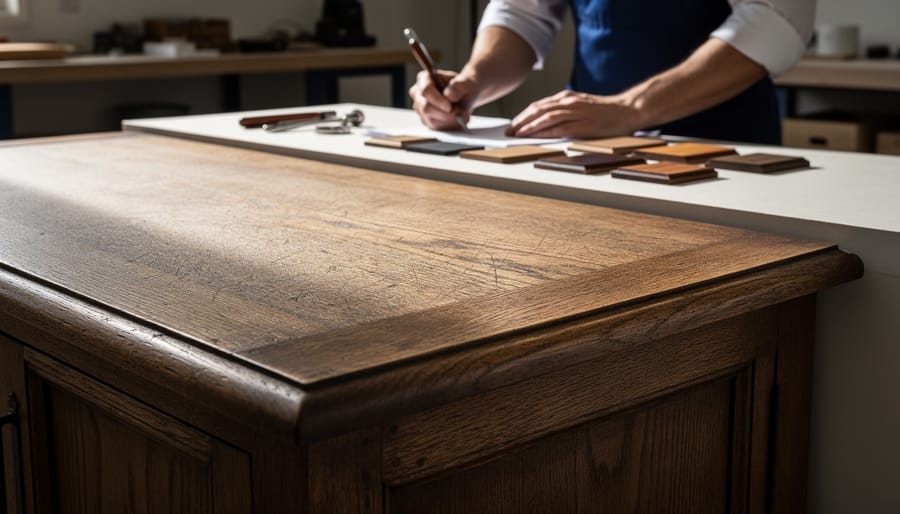
This is the step where a nice idea meets a real wall. Before a recommendation is approved, a contractor or decorator who has actually done the work reads it with a pencil in hand. They ask the plain questions. Will this limewash cure properly over old plaster? Does that waxed finish survive a busy kitchen? Can an amateur restore a worn oak table without stripping away its patine, that soft, aged glow we all admire?
Their feedback is rarely dramatic, but it matters. A plasterer might remind us that walls need to dry fully before painting, or a floor specialist might flag that a reclaimed tile needs a different sealer than we suggested. We rewrite the text to reflect those notes, adding the warnings and small, practical details that only come from hands-on experience.
The result is advice that works in an ordinary home, not just in a photograph.
How Review Q Performs in Real Life

Here’s where review q earns its keep: in the small, unglamorous moments before a guide goes live. A good review stage doesn’t make advice flashier. It makes it safer to follow in a real house with real walls.
Take a color palette recommendation. A draft might suggest a soft gray-blue for a kitchen, calling it “classic Provence.” Review q asks whether that shade actually appears in French country tradition, or whether it’s just a pretty paint chip. Often the answer is a gentler, warmer tone, like a dusty lavender or faded sage, closer to what you’d see on weathered shutters. A flooring care tip gets the same scrutiny. If a draft says to mop old terracotta tiles with water-heavy cleaners, a contractor will flag the risk to porous tile and unsealed grout, and the advice changes.
Style comparisons are where generic writing hides. French country and farmhouse get lumped together constantly, yet one leans on refined patine and linen, the other on shiplap and barn-red rusticity. Review q catches that blur.
| Type of Content | What Review Q Checks | Typical Improvement |
|---|---|---|
| Paint advice | Authentic palette, wall surface suitability | Warmer, more traditional shade suggestions |
| Furniture care | Finish type, safe cleaning methods | Gentler, finish-specific instructions |
| Room design ideas | Practicality in everyday homes | Clearer steps, realistic budgets |
| Style comparisons | Cultural accuracy, distinct details | Sharper contrast between styles |
It isn’t perfect, though. Materials vary by region, so a lime plaster that’s easy to find in one area may be scarce in another. Product formulations also change, which means a tip that worked last year can quietly go stale. Review q reduces those risks without erasing them, which is why our broader decoration tips always encourage testing a small patch first.
How Review Q Was Evaluated: Our Criteria
When I looked at review q as a whole, I wanted the standards to feel as practical as the advice itself. So I judged it on five simple things: where the information comes from, whether real experts weighed in, how clearly a first-timer can follow it, how well it honors French country tradition, and whether it actually works in an ordinary home.
Source quality came first. I asked whether a tip traced back to something solid, like a restorer’s technique or a trusted regional craft practice, rather than a vague “everyone says so.” If you’re curious how this stage connects to the wider checks on the site, our guide to Verification Review walks through it in more detail.
Next came expert involvement. A good tip should have been tested by someone who has actually mixed the limewash or sanded the oak, not just written about it.
I also read each piece the way a newcomer would. If a French term like “patine” appeared, was it explained? Was the cultural context respected rather than flattened into a generic “rustic” look?
Finally, I asked the question that matters most: would this hold up in a real kitchen, on real floors, with real budgets and weekends?
Who It’s For
This review is best suited to the homeowner who wants to trust what they read before picking up a paintbrush. If you’re renovating your first farmhouse, cottage, or city flat and want French country advice that has been questioned and checked, review q is built for you.
It also suits the decorating enthusiast who loves comparing styles. If you’ve wondered how French country really differs from farmhouse or shabby chic, the verified comparisons give you something firmer than opinion.
Weekend DIYers will get plenty from it too. Planning to limewash a wall, restore a dresser, or lay a tile floor? You’ll want tips that have been tested against real projects, not just photographed beautifully.
And if you’re a contractor or decorator, this process shows how your hands-on experience shapes what we publish.
It’s less essential if you only browse for pure inspiration and have no project planned. You can still enjoy the guides, though.
How We Chose This List
We didn’t pull this together by gut feeling, and we didn’t want you to have to take our word for it. Every decorating tip that reaches you has been weighed against the same short set of tests, so here’s what those tests look like in plain language.
First, accuracy. Does the advice hold up when checked against reliable sources and the experience of people who actually work with plaster, paint, and wood? If a claim can’t be backed up, it doesn’t stay in.
Second, practicality. A lovely idea that falls apart in a real kitchen, with real children and real budgets, isn’t much help. We favor guidance that a weekend renovator could carry out without special equipment.
Third, authenticity. French country style grows out of a particular place and way of living, so we look for tips that respect that heritage instead of flattening it into a generic “rustic” look.
Finally, clarity. If a term or technique needs explaining, we explain it, and we cut anything that sounds clever but doesn’t help you decide what to do in your own home.
Common Questions About Review Q and Verified Decorating Advice
Let’s tackle the questions readers ask us most often, because a little transparency goes a long way.
What does review q stand for in our process?
It’s our shorthand for the review question stage, where every claim in a draft gets challenged before it goes live. We ask whether it’s accurate, practical, and true to French country tradition.
Does verification make advice less creative?
Not at all. Checking a tip simply makes sure the charm holds up in a real home, so you can be inventive with confidence instead of guessing.
How often is older content rechecked?
We revisit articles regularly, especially when paint formulas, materials, or trends change. If something no longer holds up, we update it rather than leave it standing.
Can readers suggest corrections?
Yes, and we welcome it. If you’ve tried a tip and found a better way, tell us. Real-life experience is exactly what keeps our advice honest.
Then comes the question that matters most: how do you know a tip suits your own home and climate? Start by treating our advice as a well-tested starting point, not a rulebook. A limewashed wall that glows in a dry, sunny farmhouse may need a different finish in a damp, shaded cottage, and the same goes for flooring or fabrics. Check the light in your rooms, think about humidity, and try a small patch before you commit to the whole wall.
If you’re planning a cooking space, our guide to French country kitchen ideas is a good place to see how we adapt a tip for different homes. Take what fits, leave what doesn’t, and make it yours.
Review q earns its place. It’s a simple habit of asking hard questions before advice reaches your home, and that habit is why a limewash tip or a furniture pairing on this site can be trusted to work in a real kitchen, not just look lovely in a photograph. The questions keep the decorating honest, practical, and rooted in the French traditions that make this style worth loving in the first place.
That’s the heart of our Content Review and Verification process. Every guide we publish has been challenged, checked against real projects, and respected for its cultural roots, so you can decorate with confidence instead of guesswork.
So wander through our verified guides, pick the project that’s calling to you, and try it in your own space. And when you do, come back and tell us how it turned out. Your results, your small victories, and even your surprises help us keep getting better, one welcoming room at a time.