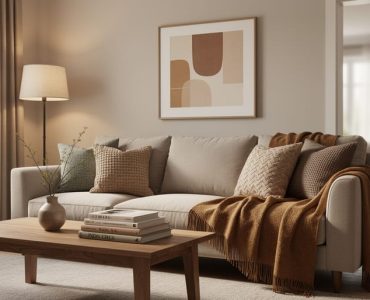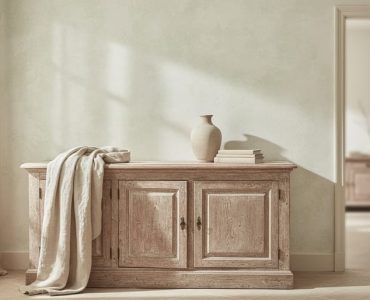
The best custom website design service for a French country decor site, such as https://webloftdesigns.comis one that can show your photography at its finest, make room for expert-reviewed content, and keep your site’s personality intact. Everything else is secondary. A template can hold a few pretty pictures, but it can’t capture the feel of a Provençal kitchen with worn oak beams and linen curtains moving in the breeze.
That’s where custom design earns its keep. A studio like that builds around your story and your readers rather than squeezing both into a preset layout. For a decor site, that means galleries that let texture and light breathe, layouts that make a sourcing guide easy to scan, and a voice that still sounds like you.
Choosing well takes a little homework. You’ll want to look at how a designer handles imagery, how they structure long, useful articles, and how clearly they explain cost and timeline before you sign anything. The rest of this guide walks through each of those decisions, plus the mistakes that quietly drain budgets.
Key Takeaway: Choose a custom website design service that proves it can showcase your imagery beautifully, support expert-reviewed content, and preserve your site’s authentic personality. If a portfolio can’t show all three, keep looking.
Think of it like hiring someone to restore a farmhouse. You wouldn’t pick the person with the shiniest brochure. You’d pick the one who respects what’s already worth keeping.
Why Custom Website Design Matters When Your Site Sells a Feeling
Think about how someone actually reads a decor site. They aren’t hunting for a phone number or a price list. They’re browsing, the way you might wander an antiques market on a slow Saturday, letting their eyes settle on whatever feels right. They linger on photographs, they scroll past anything that feels cold, and they decide within seconds whether you’re a source worth trusting.
That’s what makes a home site different from most businesses. You aren’t only selling information. You’re selling a feeling, and the design has to carry it before a single paragraph gets read.
A stock template is a bit like a mass-produced reproduction. It looks fine from across the room, but the proportions are generic and nothing about it was made with your readers in mind. A custom build is closer to a genuine antique piece: shaped around how it will actually be used, with details that feel earned rather than copied. Your photo galleries, your expert bylines and your room-by-room layouts get designed around, not squeezed into slots someone else drew.
This matters most when your subject is a particular style. A site about French country decor should echo the look it describes: natural linen and weathered wood textures, soft creams and sage tones, and an elegant serif typeface that reads like a handwritten recipe card rather than a corporate memo.
The trick is restraint. Done well, the warmth is in the details. Done poorly, it turns kitschy fast, with fleur-de-lis on every button. A good designer knows the difference.
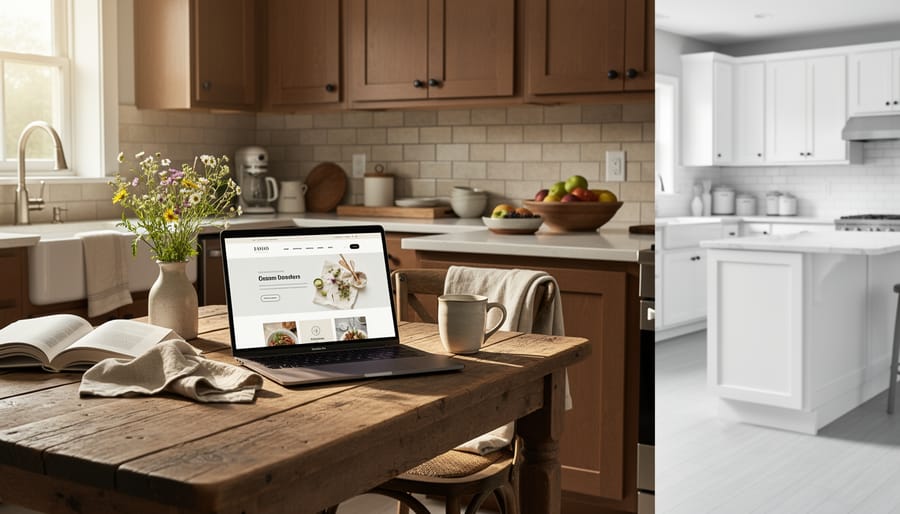
Key Buying Factors: What to Weigh Before You Hire a Designer
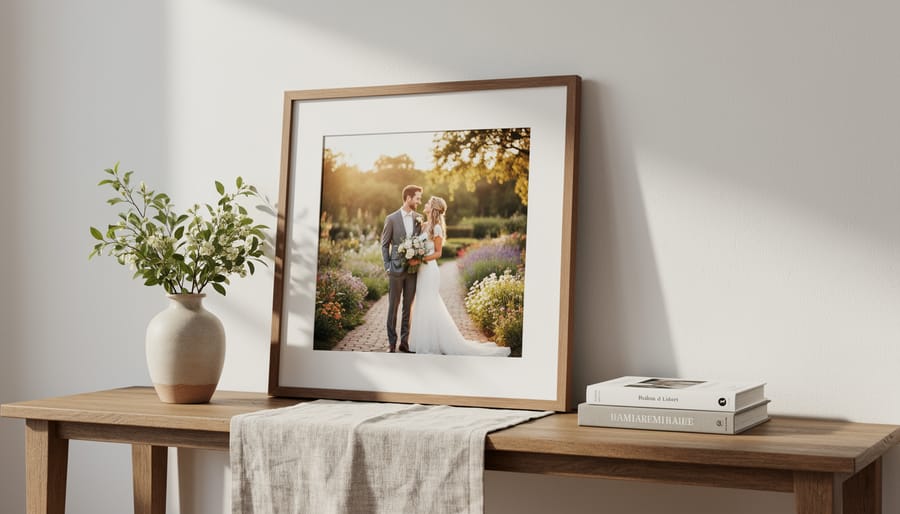
Does Their Portfolio Show Real Warmth and Storytelling?
When you scroll through a designer’s portfolio, look past the polish and ask whether the work feels lived-in. A site about home life should read like a conversation over coffee, not a corporate brochure. Notice whether the layouts guide you room by room, the way good decoration tips walk a reader from kitchen to bedroom, or whether every page looks stamped from the same cold mold.
Then read the designer’s own words. Their about page and client testimonials reveal whether they listen as carefully as they design. Sincere copy sounds like a real person, not a sales deck.
Bring these questions to every first call:
- Can you show me a site that makes photography the star?
- Does the text stay easy to read on a phone, in low light, at a glance?
- How would you lay out inspiration by room rather than by category?
- Have you worked with warm, natural palettes without making them feel costume-like?
- Will your past clients tell me how you handled their story?
Their answers will tell you far more than any slick case study.
Building Trust Into the Design Itself
When readers land on a decor site, they decide fast whether the person behind the advice actually knows their stuff. A good design answers that question before anyone reads a paragraph. Think of it like a farmhouse where the pantry labels are written in the cook’s own hand: you trust the jam because you can see who made it.
Ask your designer to build visible trust cues into the layout itself. That means a clear author bio near the top of each article, a spot for a reviewer credit when an expert has checked the advice, and a “last updated” date that sits quietly beneath the headline. Source notes belong at the end of a piece, easy to find but never shouting. Together, these details make trustworthy décor content feel natural to browse rather than staged.
The trick is restraint. Use soft typography, generous spacing, and consistent placement so these elements feel like part of the room, not a sales badge stuck on the door.
Budget, Timeline, and What’s Actually Included
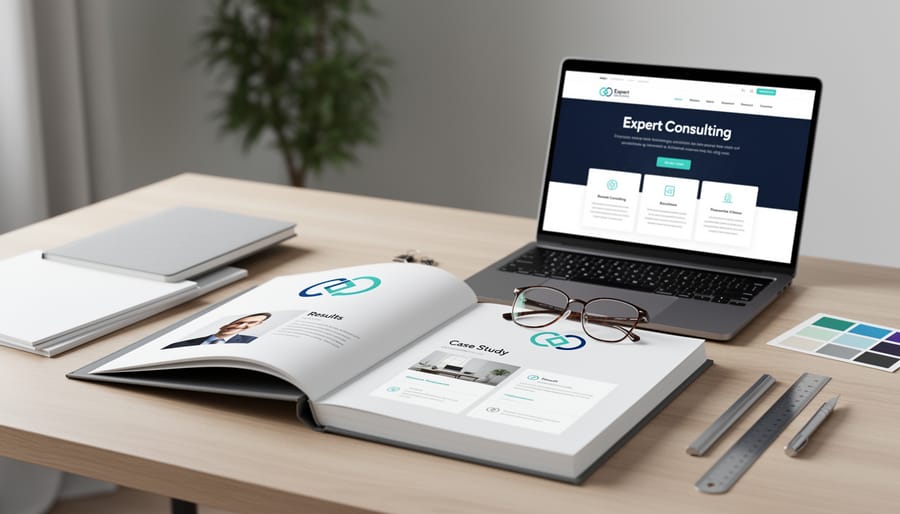
Two quotes can both say “custom website design” and describe completely different jobs. One includes a discovery conversation, a full design phase, development, and training on your content system. The other covers a single homepage mockup and a handoff email. Comparing the totals tells you almost nothing.
Ask every designer for an itemized scope. You want to see separate lines for discovery (where they learn your voice and your readers), design, development, revisions, training, and the hosting handoff. If a quote lumps everything into one number, ask them to break it down. A designer who hesitates is telling you something.
Pay close attention to revisions. How many rounds are included, and what happens when you need a fourth? It’s a bit like hiring a carpenter: you want to know whether the price covers sanding and finishing, or just the cut lumber.
Cost differences usually come down to hours of attention. Custom photo-gallery layouts, author and reviewer bios, and a flexible editorial setup all take real craft, so they cost more than a lightly adjusted template. That’s often money well spent, but only if you can see where it goes.
Finally, ask for a realistic timeline with milestones, so you can see where your own feedback and content will be needed.
Types Compared: Freelancers, Boutique Studios, Agencies, and Guided Builders
Picture Claire, who runs a small blog about restoring a Provençal farmhouse. She has a clear voice and a growing library of photos, but no idea who should build her site. Her options are the same ones you’ll meet, and each fits a different kind of publisher.
| Service type | Best for | Strengths | Watch-outs | Customization and ongoing support |
|---|---|---|---|---|
| Freelance designer | Solo bloggers, new sites | Personal attention, flexible pricing | One person’s availability and skill range | High customization; support depends on the individual |
| Boutique studio | Growing publications with a strong brand | Refined design, small dedicated team | Higher cost, limited capacity | High customization; usually offers care plans |
| Full-service agency | Multi-author publishers, large galleries | Strategy, development, and SEO under one roof | Longer timelines, layers of process | Very high customization; structured support |
| Guided builder with design help | Tight budgets, quick launches | Speed, built-in hosting and updates | Less control over code and layout | Moderate customization; platform-based support |
A freelancer is like the village artisan: you talk directly to the person making your piece, and the work often feels personal. The trade-off is capacity. If your freelancer takes on a big project or gets sick, your timeline can slip, so ask who handles fixes after launch.
A boutique studio offers a little more polish and a small team, usually a designer, a developer, and a project lead. It suits publishers who already know their look and want it executed beautifully. Expect to pay more, and book early, since good studios tend to have waiting lists.
Agencies shine when the site is large and complicated, with many contributors, hundreds of project galleries, or paid memberships. The process is thorough, but it can feel formal. A solo storyteller may find it more machinery than she needs.
Guided builders sit in the middle: you start from a structured framework and get a designer’s help adjusting it. They launch quickly and keep ongoing editing simple, which is handy if you publish often. You give up some control over fine details, though.
Claire chose a freelancer, because her priorities were a warm, personal feel and room to grow. Before she hired anyone, she gathered her favorite kitchen inspiration photos and sketched how she wanted readers to move through them. That small step helped her explain her vision clearly, and it made every quote easier to compare.
Recommendations: Matching the Right Service to Your Decor Project
Picking the right service is a lot like choosing a mason for a stone wall: the best one depends on whether you’re edging a garden bed or building a farmhouse. Here’s how I’d match common decor projects to the right kind of help.
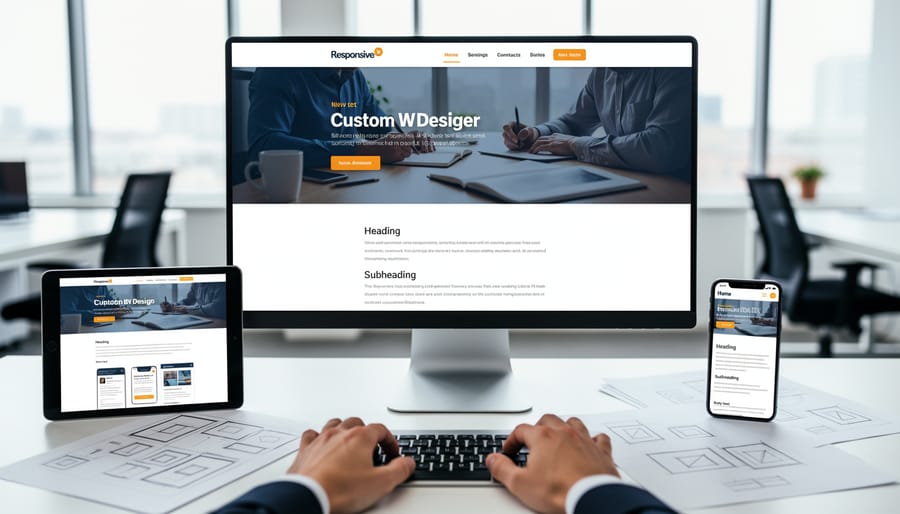
The solo blogger starting a room-ideas site. You’re writing most of the content yourself, so you need a clean, flexible foundation more than a sprawling build. A freelance designer or a guided builder with real design support usually fits best. Prioritize a simple editorial layout, generous image display, fast loading, and a content system you can run without calling someone every time you publish. Leave room to grow, but don’t pay for features you won’t touch for a year.
The growing multi-author publication with expert contributors. Now you’re juggling several voices, reviewers, and a steady stream of new pages. A boutique studio or a small agency tends to serve you best, because they can design a system rather than just a look. Prioritize author and reviewer bylines, update dates, consistent templates for different article types, and permission settings so contributors can’t accidentally break the design. Ask how they’ll keep the site coherent as content multiplies.
The contractor or decorator showcasing project galleries. Your photography is the product. A freelancer with a strong portfolio of image-led work, or a boutique studio, is a good match. Prioritize gallery layouts that show before-and-after work beautifully, quick image loading on phones, and an easy path to a contact form. Make sure you can add new projects yourself as they wrap up.
Before you commit to a full build, consider a small paid discovery project or a single trial page. Think of it as a dinner invitation before you sign a lease together. You’ll see how they communicate, how they handle feedback, whether they hit deadlines, and whether their taste matches yours, all for a fraction of the full investment. A designer who welcomes this kind of trial is usually confident in their craft. One who resists it is telling you something, too.
Mistakes to Avoid When Commissioning a Custom Site
Most regrets after a site launch trace back to a handful of avoidable missteps, so here’s what to watch for.
Choosing on price alone. The cheapest quote often leaves out discovery, revisions, or training, and you pay for it later in rework. Compare itemized scopes instead of bottom-line numbers.
Skipping the content plan. Designing before you know your categories, article types, and photo needs is like buying curtains before measuring the windows. Decide what you’ll publish first, then let the design serve it.
Overloading pages with effects. Parallax scrolling, sliders, and animated flourishes look charming in a demo but slow loading, especially on phones. Since many readers browse on mobile, test every layout there, and insist on compressed, properly sized images.
Forgetting ownership and accessibility. Get written confirmation that you own the design files, code, and fonts licenses. Ask about readable contrast, alt text, and keyboard navigation too, because a lovely site that some readers can’t use isn’t doing its job.
Treating French country as a costume. This is the subtlest mistake. Scattering fleur-de-lis icons and script fonts everywhere is the web equivalent of a themed restaurant, not a real Provençal home. Authentic style comes from restraint: weathered textures, soft linen tones, generous white space, and unhurried layouts that echo how people actually live in the French countryside. Share a short brief on the true French country elements you want reflected, so your designer interprets them thoughtfully rather than copying a trend.
Finally, resist generic template trends. A site that sounds and looks like everyone else’s will never feel like yours.
Frequently Asked Questions About Custom Website Design Services
How long does a custom website build usually take?
It depends on how many page types you need and how quickly you can supply photos and copy. Most delays come from waiting on content, so having your articles and images ready makes the whole process smoother.
Is custom really worth it compared with a template?
If your site sells a feeling, as a French country decor site does, a custom design lets your photography and voice take center stage. A template can work for a simple start, but you’ll likely bend your content to fit it rather than the other way around.
Who owns the finished site?
It should be you, but never assume. Put in writing that you receive the design files, code, and any custom artwork once final payment is made.
How do I keep the design consistent as my content grows?
Ask your designer for reusable page layouts and a simple style guide covering fonts, colors, and image treatments. Think of it as the house rules that keep every new room feeling like part of the same farmhouse.
Whichever questions matter most to you, bring them to your first conversation with a designer. A good one will answer them plainly, without hiding behind jargon. As for redesigns, there’s no magic number of years. Refresh the site when it stops serving your readers or no longer reflects who you are, much like repainting a kitchen when the old color no longer feels like home.
Think back to that farmhouse kitchen: the worn wooden table, the copper pots within easy reach, the light falling just so across the stone. Nobody walks in and thinks about the construction. They simply feel at home. That is the real test of any custom website design service. The right partner doesn’t hand you a polished showroom; they help your site feel as lived-in and genuine as the homes you write about.
As you weigh your options, keep the main decision points close: a portfolio with real warmth, a design that makes your expertise and sources visible, an itemized scope you can compare fairly, and full ownership of what gets built. Match the type of service to the stage your project is in, and steer clear of the mistakes that flatten your voice.
Before you commit, write down your content vision: who you’re speaking to, what you want them to feel, and the stories your photos tell. Then start small with a trial page or paid discovery project. A little patience now will leave you with a site that welcomes readers in.